


Ngā Rongo Kōrero
News and Views
View our latest news, media releases, newsletters and event updates. Hear from our commissioners, UNESCO Aotearoa Youth Leaders, and our collaborating agencies and organisations. Read our latest updates or delve into the past.
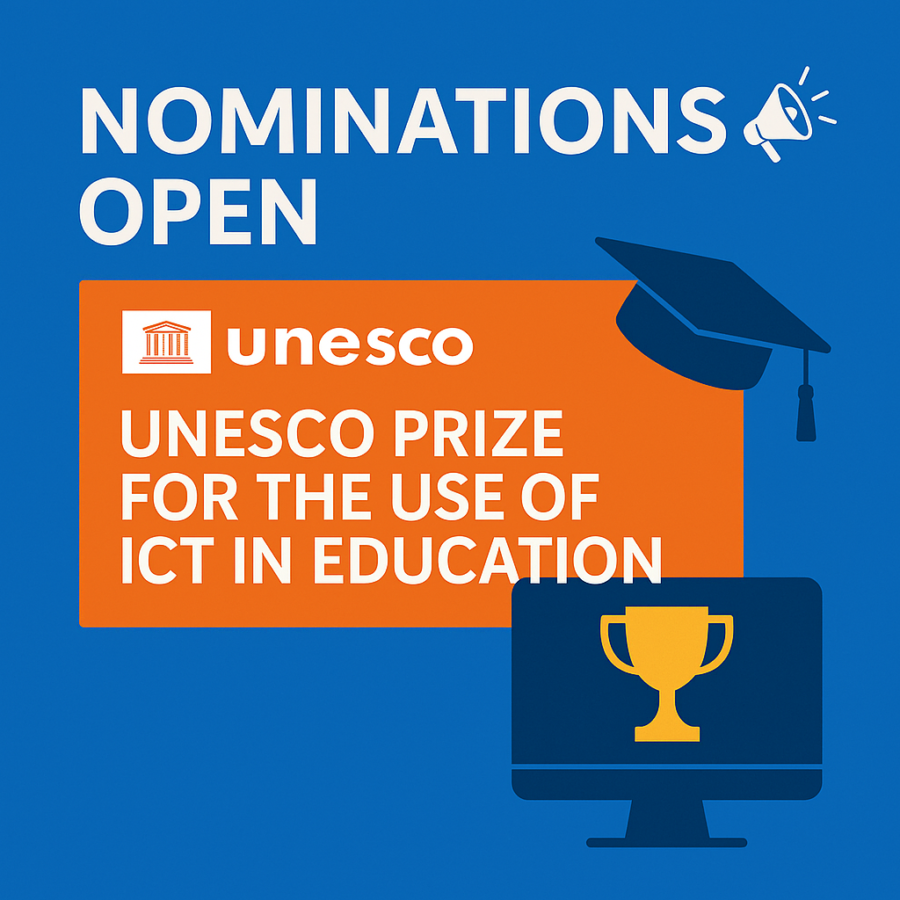
Nominations for the UNESCO King Hamad Bin Isa Al-Khalifa Prize for the Use of ICT in Education are now open.
Funded by the Kingdom of Bahrain and established in 2005, the Prize rewards projects that use digital technologies to enhance learning and teaching.
In 2026, the Prize will focus on the theme “Reimagining creativity and critical thinking with artificial intelligence”, rewarding projects that demonstrate how, across diverse contexts, teachers and learners are engaging with AI systems in ways that preserve their capacity for reasoning, discernment and imagination.
Funded by the Kingdom of Bahrain and established in 2005, the Prize rewards projects that use digital technologies to enhance learning and teaching.
In 2026, the Prize will focus on the theme “Reimagining creativity and critical thinking with artificial intelligence”, rewarding projects that demonstrate how, across diverse contexts, teachers and learners are engaging with AI systems in ways that preserve their capacity for reasoning, discernment and imagination.
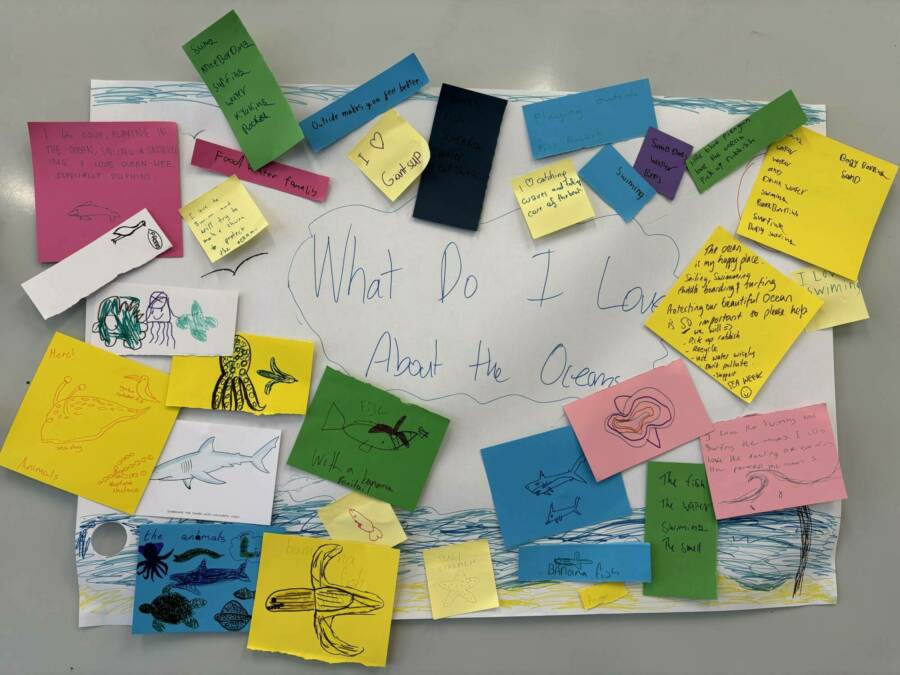
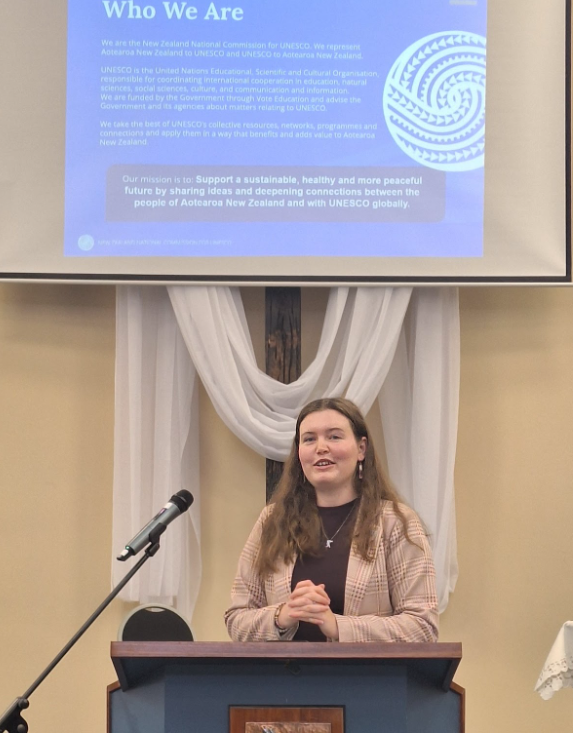
In late February, UNESCO Aotearoa Youth Leaders Saeyavan Sitsabesan and Isaac Morunga, hosted a stall as part of SeaMERC Day which was hosted by the Sir Peter Blake Marine Education and Recreation Centre, in Auckland.
The event brought together the local community, ocean advocates and the future kaitiaki of our marine ecosystems to celebrate the ocean and explore practical ways to support marine sustainability.
The event brought together the local community, ocean advocates and the future kaitiaki of our marine ecosystems to celebrate the ocean and explore practical ways to support marine sustainability.
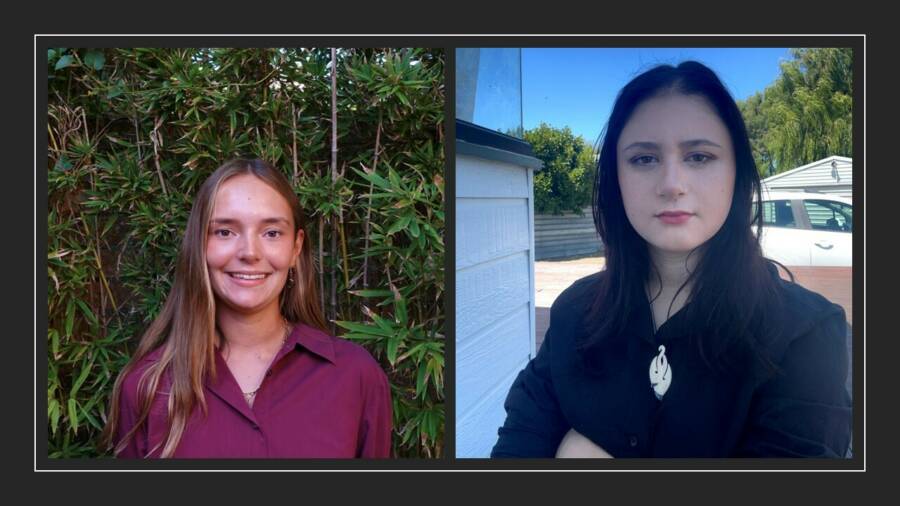
The New Zealand National Commission for UNESCO has appointed two new members to its UNESCO Aotearoa Youth Leaders rōpū. They are Ryn Peni Matenga and Zana Monaghan.
They join current members Madiha Ali, Mary Ieremia-Allan, Tara Shepherd and Wesley Tanuvasa. Saeyavan Sitsabesan has been appointed as our Special Advisor Youth, leading our 2026 UNESCO Aotearoa Youth Leader rōpū.
They join current members Madiha Ali, Mary Ieremia-Allan, Tara Shepherd and Wesley Tanuvasa. Saeyavan Sitsabesan has been appointed as our Special Advisor Youth, leading our 2026 UNESCO Aotearoa Youth Leader rōpū.
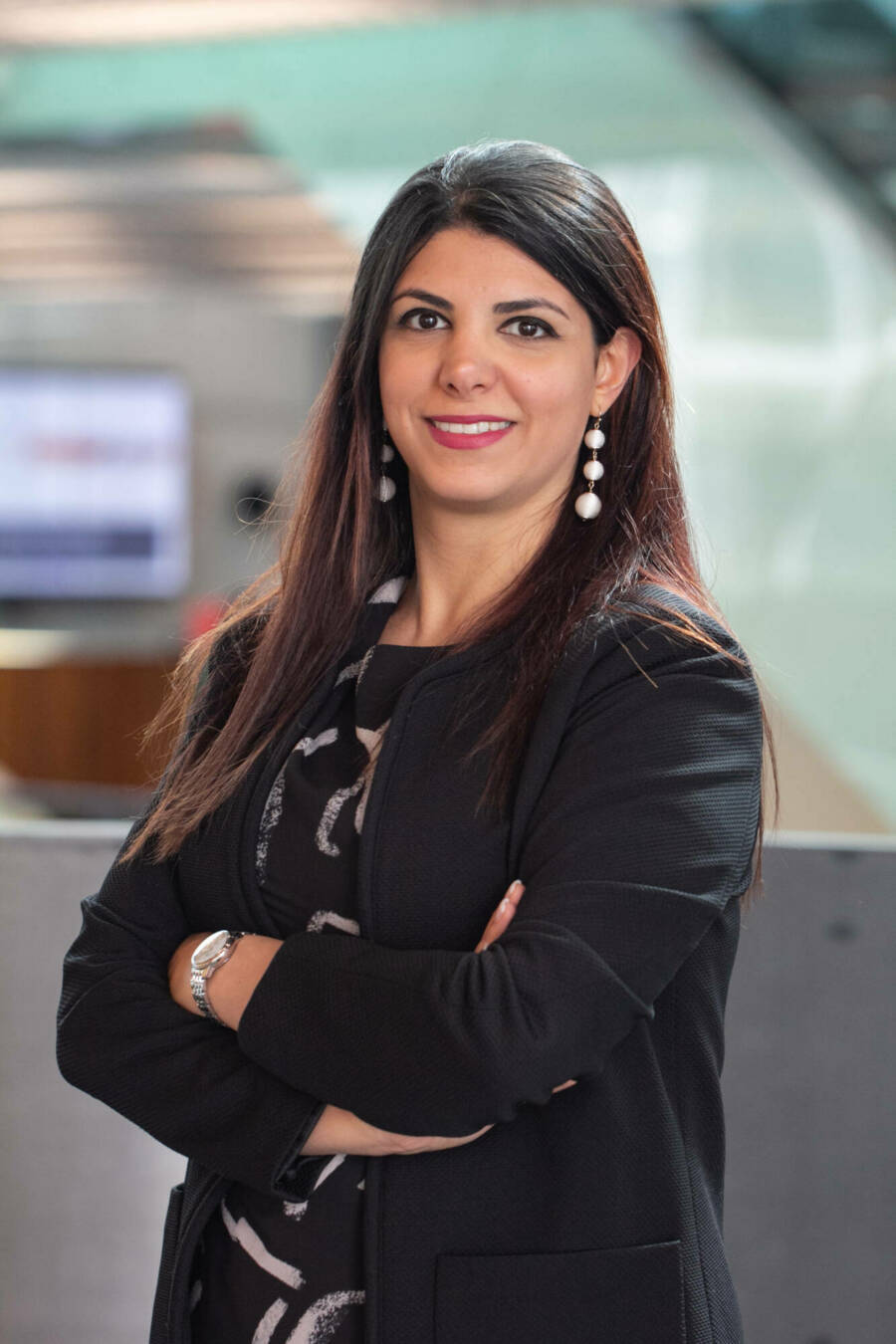
Mahsa brings exceptional expertise in artificial intelligence, digital futures, and technology leadership. Her deep experience across AI, cybersecurity, and digital inclusion will play a vital role in advancing the National Commission’s work across Aotearoa New Zealand.
“We’re thrilled to have Mahsa join our National Commission whānau. Her wealth of experience and insight will significantly strengthen our collective efforts. Mahsa’s leadership and deep commitment to her field make her an invaluable addition to our team,” says National Commission Secretary General, Vicki Soanes.
“We’re thrilled to have Mahsa join our National Commission whānau. Her wealth of experience and insight will significantly strengthen our collective efforts. Mahsa’s leadership and deep commitment to her field make her an invaluable addition to our team,” says National Commission Secretary General, Vicki Soanes.