Watch: Youth Climate Action event
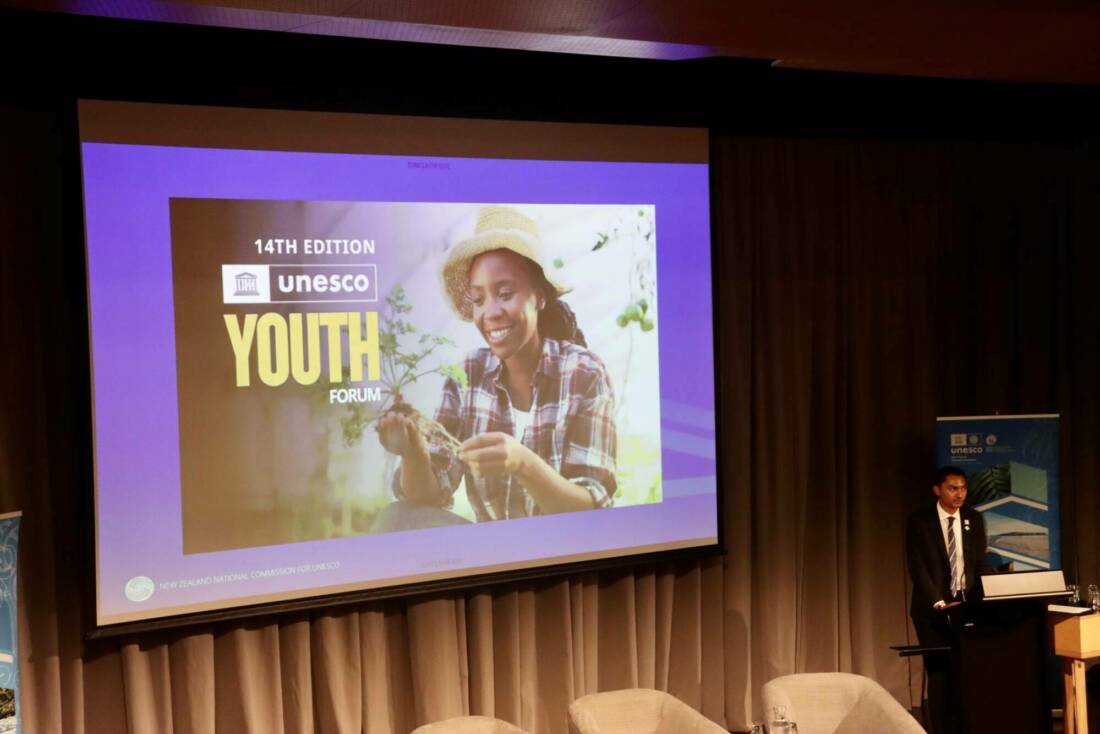
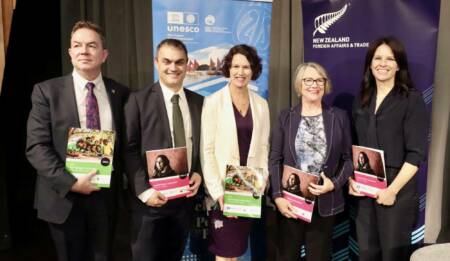
In March 2026, we hosted a special event for educators, rangatahi, and others passionate about climate learning. The event centred on key outcomes from the 14th UNESCO Global Youth Forum, exploring how global youth perspectives can inform climate action and education in Aotearoa New Zealand.
The Event
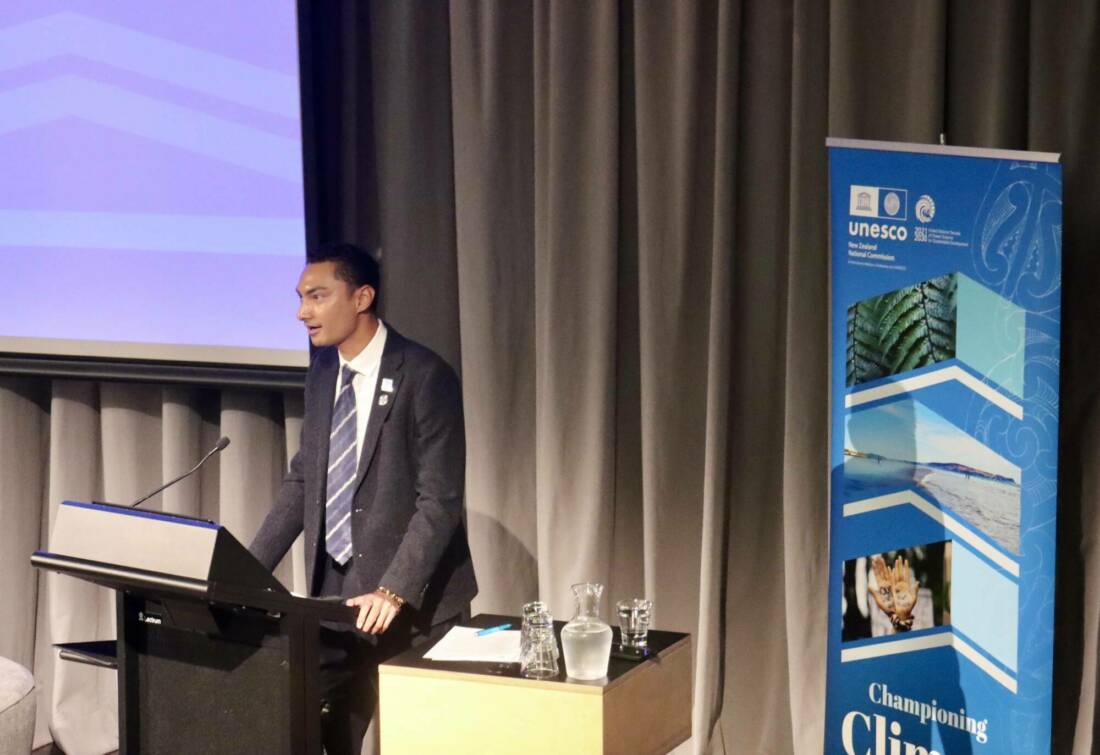
The event opened with a keynote address from our 2025 Special Advisor Youth, Isaac Morunga, who shared reflections and insights from his participation in the 14th UNESCO Global Youth Forum. The Forum examined the social impacts of climate change and delivered a strong call for meaningful, youth‑led action.
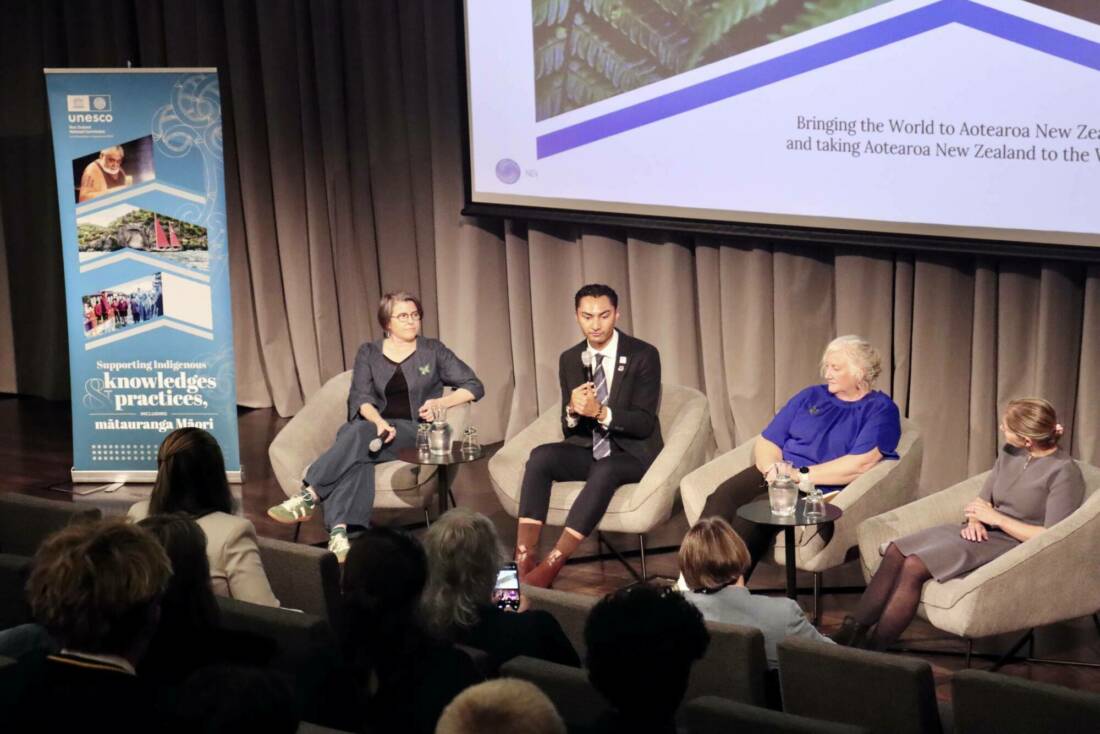
Following the keynote, Education Commissioner Professor Gail Gillon facilitated a panel discussion with:
- Rachel Bolstad (NZCER)
- Andrea Soanes (Science Learning Hub)
- Kate Prendergast (University of Canterbury)
Together, the panel explored how global youth voices can inspire climate action here in Aotearoa New Zealand. They also discussed how these perspectives can support local thinking and decision‑making, particularly in the context of consultations on the Draft Science Curriculum taking place at the time.
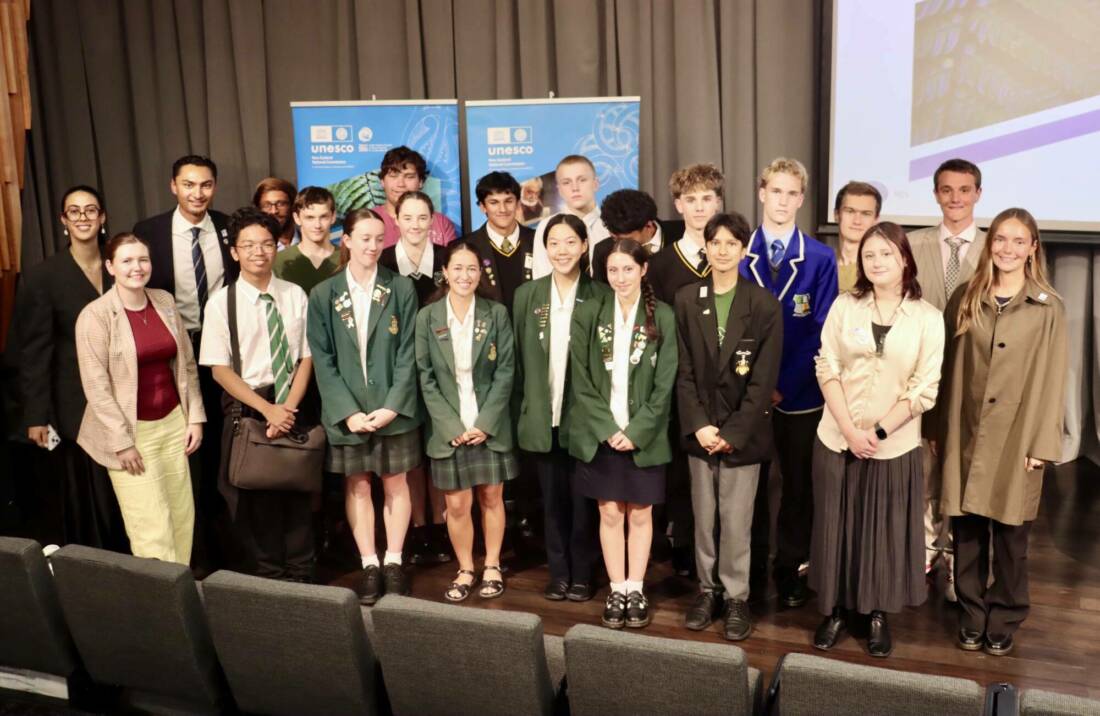
The event concluded with a lively Q&A session, with thoughtful questions from rangatahi and their teachers, highlighting the strong interest in climate education and youth‑driven change.
Watch our Youth Climate Action event
14th UNESCO Global Youth Forum
The Forum brought together 145 youth leaders from 135 UNESCO Member States and Associate Members to identify ways to accelerate meaningful climate action and drive positive social change. Participants examined the social dimensions of climate change and the disproportionate impacts experienced by young people around the world.
Throughout the Forum, young leaders engaged in in‑depth discussions, refined their proposals, and collectively adopted the Conclusions of the Youth Forum. These outcomes included:
- a Call to Action
- Global and Regional Recommendations
- Five selected youth‑led projects
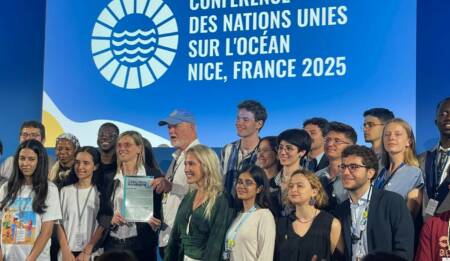
Following the adoption of the Conclusions, a group of Forum participants - including our own Isaac Morunga - presented these youth perspectives at the 43rd session of UNESCO’s General Conference. This provided a valuable opportunity for Member States to directly consider youth‑driven ideas and solutions as part of discussions shaping UNESCO’s programmes for the following two years.