Aotearoa Youth COP 2025
Youth COP
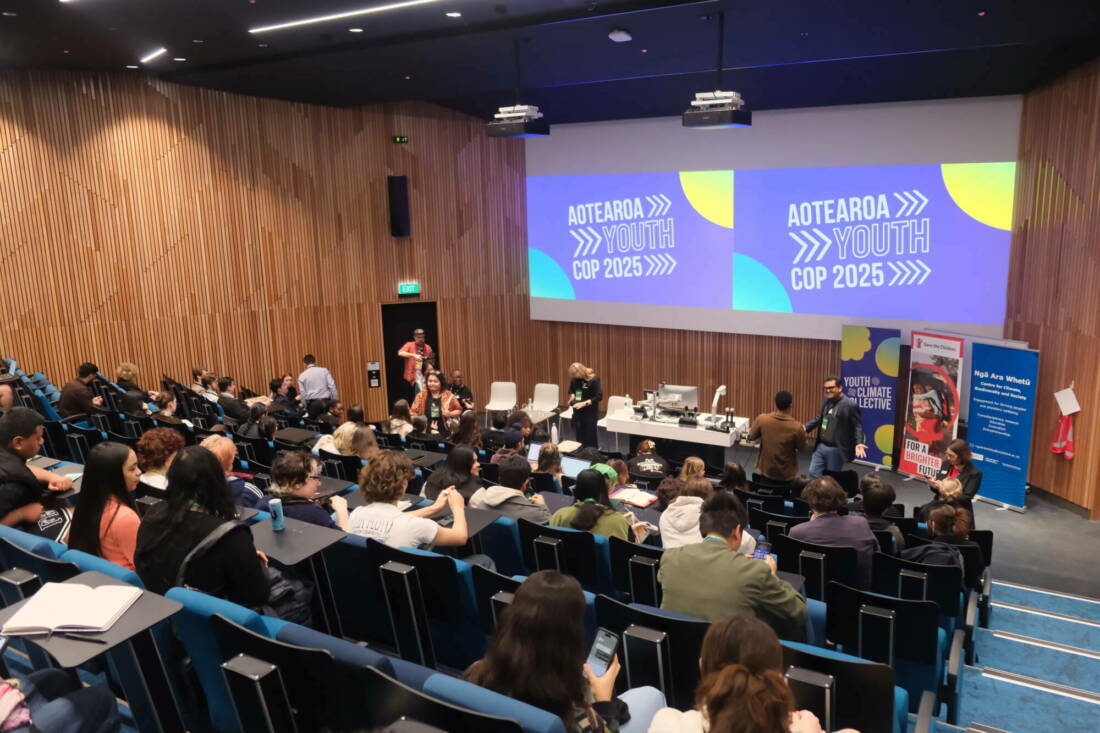
The event, supported by a grant from the New Zealand National Commission for UNESCO, provided the opportunity for young people in New Zealand to engage in climate policy, simulating the UN Conference of Parties (COP).
The day began with a panel discussing the question ‘What is COP?’, which included Save the Children New Zealand’s CEO, Heather Campbell. The session embraced the importance of bringing community to the forefront of decision-making, particularly recognising the need for indigenous perspectives in the fight against climate change including Te Ao Māori and Pasifika knowledge.
Participants then split off into different scenario rooms to begin negotiations, discussing topics such as Youth Governance, WASH (Water, Sanitation & Hygiene), Sustainable Food Systems and Loss & Damage.
Tasked with representing their stakeholder groups, participants were asked to create, debate, negotiate and finalise 5 key policies to address each of the unique scenario briefings on a local and national level.
At the conclusion of the event, the Aotearoa Youth COP Statement was created, collating the voices of young people from across the country shaping pivotal climate policy.
The Statement
This Youth Statement was delivered to Francisco Hernandez, Green Party MP, and Dr Claire Achmad, Chief Children's Commissioner, via an online handover by young people that had participated in Youth COP.
In November, members of the Youth Climate Collective and partner organisations had the opportunity to take the voices of rangatahi from Aotearoa New Zealand to the international stage at COP30, hosted in Belém, Brazil
The delegation travelled to Belém with clear purpose and intent. Over the course of the week, they participated in a wide range of engagements, amplifying youth voices and contributing to meaningful conversations across multiple platforms.
At the COP30 Children & Youth Pavilion, the Aotearoa Youth COP Statement was presented to an international audience, highlighting the key priorities, concerns, and aspirations of rangatahi in Aotearoa New Zealand.
Throughout the week, the delegation met with New Zealand stakeholders, including the Minister of Climate Change, Simon Watts, Green Party MP Francisco Hernandez, and representatives from the Ministry of Foreign Affairs and Trade strengthening connections between youth advocates and decision-makers.
Above all, the delegation acknowledged that their presence at COP30 was made possible by the extensive groundwork carried out by the wider Youth Climate Collective team. Local initiatives such as Aotearoa Youth COP, developed through years of collective effort, laid the foundation for meaningful international representation.